01

RESEARCH

Research program

Quantum polaritons offer a versatile platform for introducing strong, tunable interactions into integrated photonic systems. These interactions are central to nonlinear and quantum photonic technologies. Our program links fundamental studies of polariton physics with the development of manufacturable devices and circuit architectures.

01

RESEARCH AREA

Quantum materials

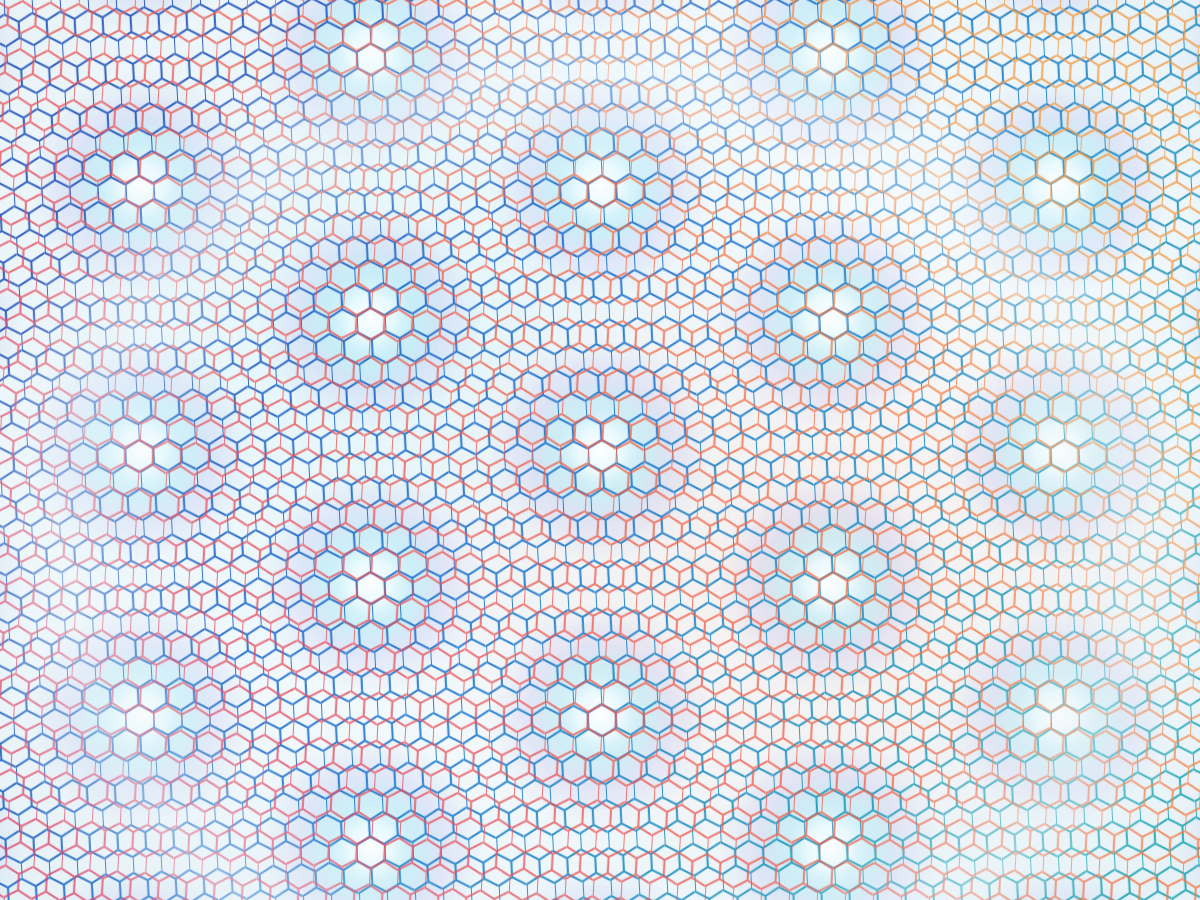
We investigate the optical and electronic properties of emerging quantum materials, including moiré heterostructures that host moiré excitons.

  • Moiré excitons and polarons
  • Correlated quantum states
  • Cavity-coupled superlattices
  • Ultrafast optical response
Two regular honeycomb lattices, one blue and one coral, are rotated by six degrees. Soft halos mark moiré potential extrema within their supercells.
RESEARCH VISUALFIG. 01
02

RESEARCH AREA

Exciton–polaritons

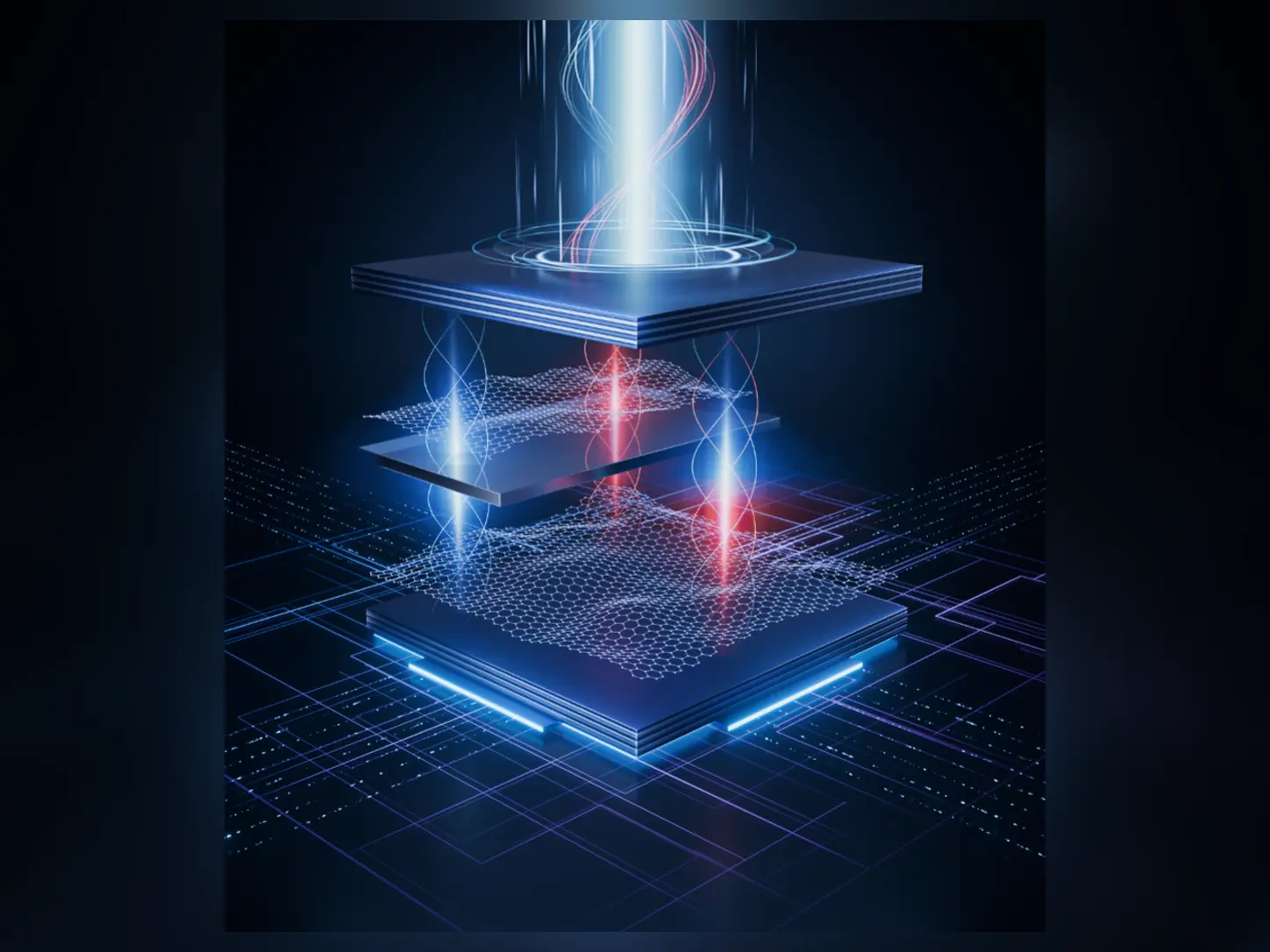
We couple excitons to optical microcavities to study spin selectivity, electrical control and emergent polariton properties. Our work aims to reach the few-quantum regime.

  • Few-quanta nonlinearities
  • Spin-dependent interactions
  • Electrical tuning and injection
  • Polariton circuits
A quantum material in a microcavity, showing hybrid exciton–photon modes against a dark background.
RESEARCH VISUALFIG. 02
03

RESEARCH AREA

Topological nanophotonics

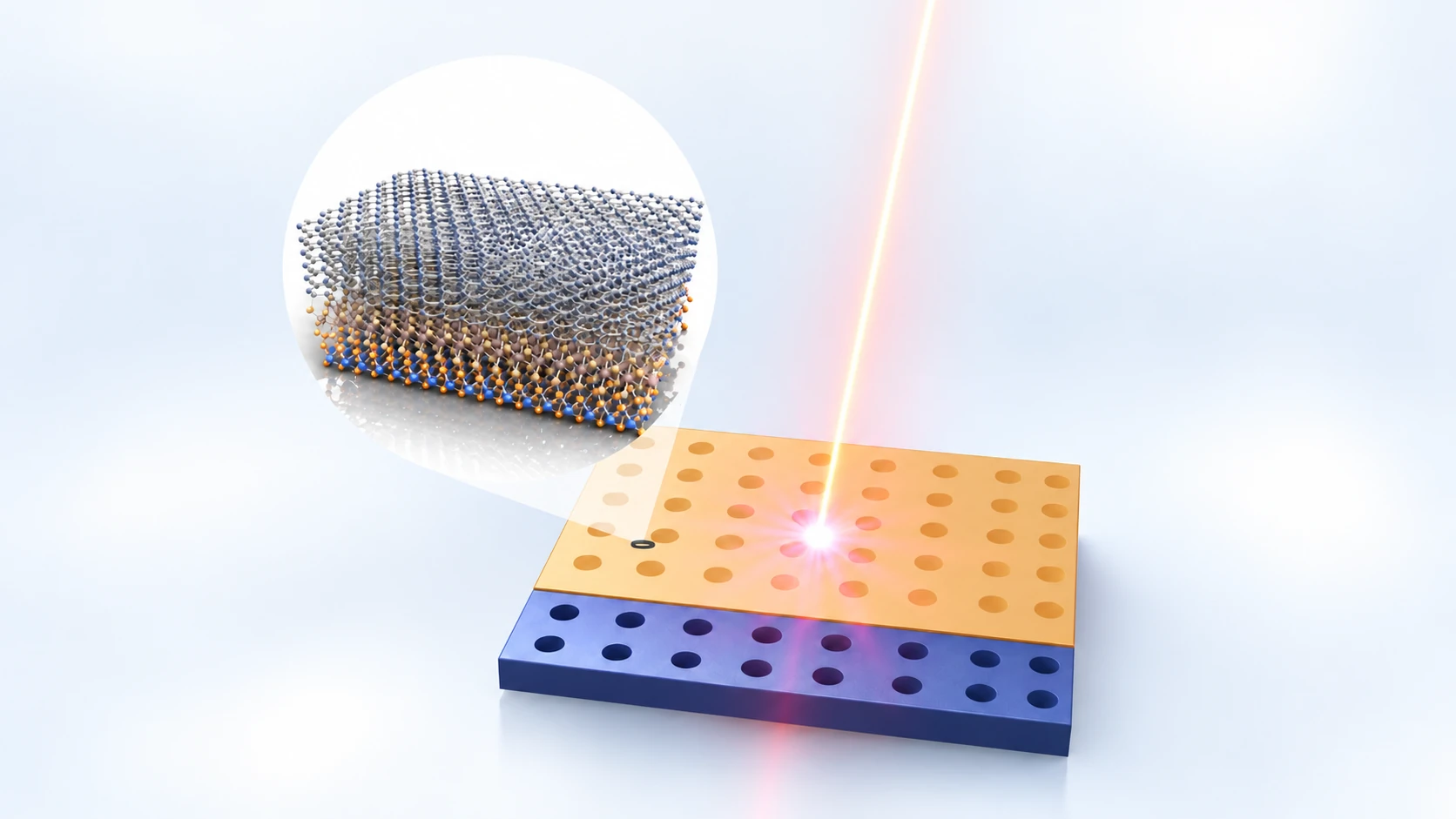
We use the photonic component of polaritons to enhance interactions, guide optical states and integrate polaritonic elements on a chip.

  • Photonic-crystal BICs
  • Topological and flat bands
  • Coupled-cavity arrays
  • Robust on-chip routing
An atomically thin material is closely coupled to a topological photonic crystal with a curved edge-state path.
RESEARCH VISUALFIG. 03
04

RESEARCH AREA

AI for polaritonics

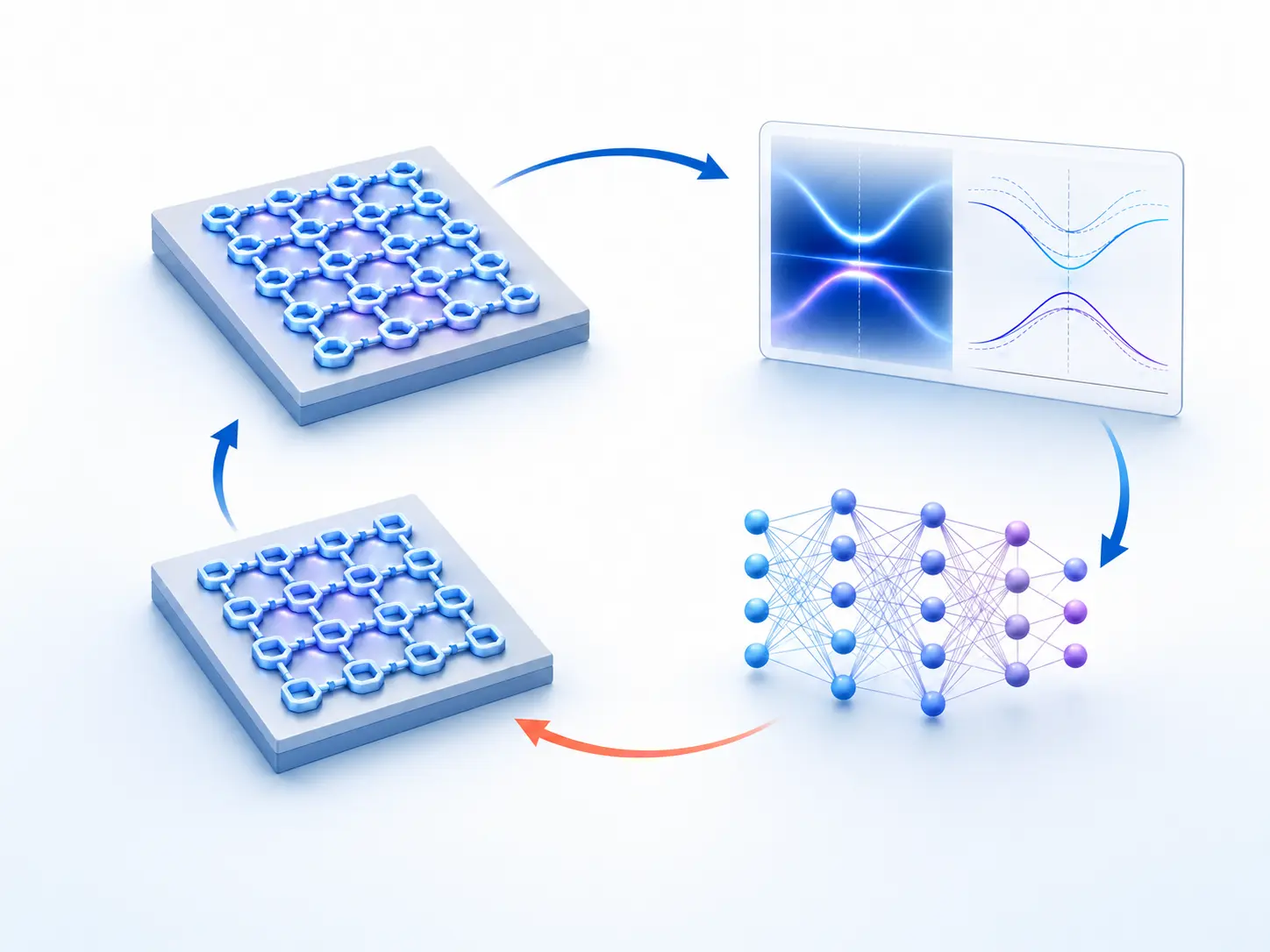
We combine physics-informed machine learning, inverse design and closed-loop optimization to design and refine polaritonic lattices. Our work ranges from selecting materials and cavities to designing integrated devices. We also explore the potential of polaritonic systems for energy-efficient computing.

  • Physics-informed learning
  • Photonic inverse design
  • Closed-loop experiments
  • Lattice-scale optimization
A diagram links a polaritonic lattice, its optical response, a neural network and a refined device design.
RESEARCH VISUALFIG. 04

METHODS

From materials to integrated devices

01

Quantum materials & emergent states

We assemble low-dimensional quantum materials and van der Waals heterostructures to investigate excitons and correlated quantum phases.

02

Nanofabrication & device integration

We develop micro- and nanofabrication methods and heterogeneous integration strategies for optical microcavities, photonic crystals and polaritonic devices on a chip.

03

Multidimensional spectroscopy

We combine angle-, polarization-, time- and spatially resolved spectroscopy to map energy, momentum, spin and dynamics.

04

Many-body theory & modeling

We use theoretical models and numerical simulations to study strong coupling, nonlinearities, many-body interactions and nonequilibrium dynamics.

05

AI for joint optimization

We use physics-informed learning, inverse design and iterative experiments to jointly refine materials, structures and experimental parameters.